

 Image 1 of 10
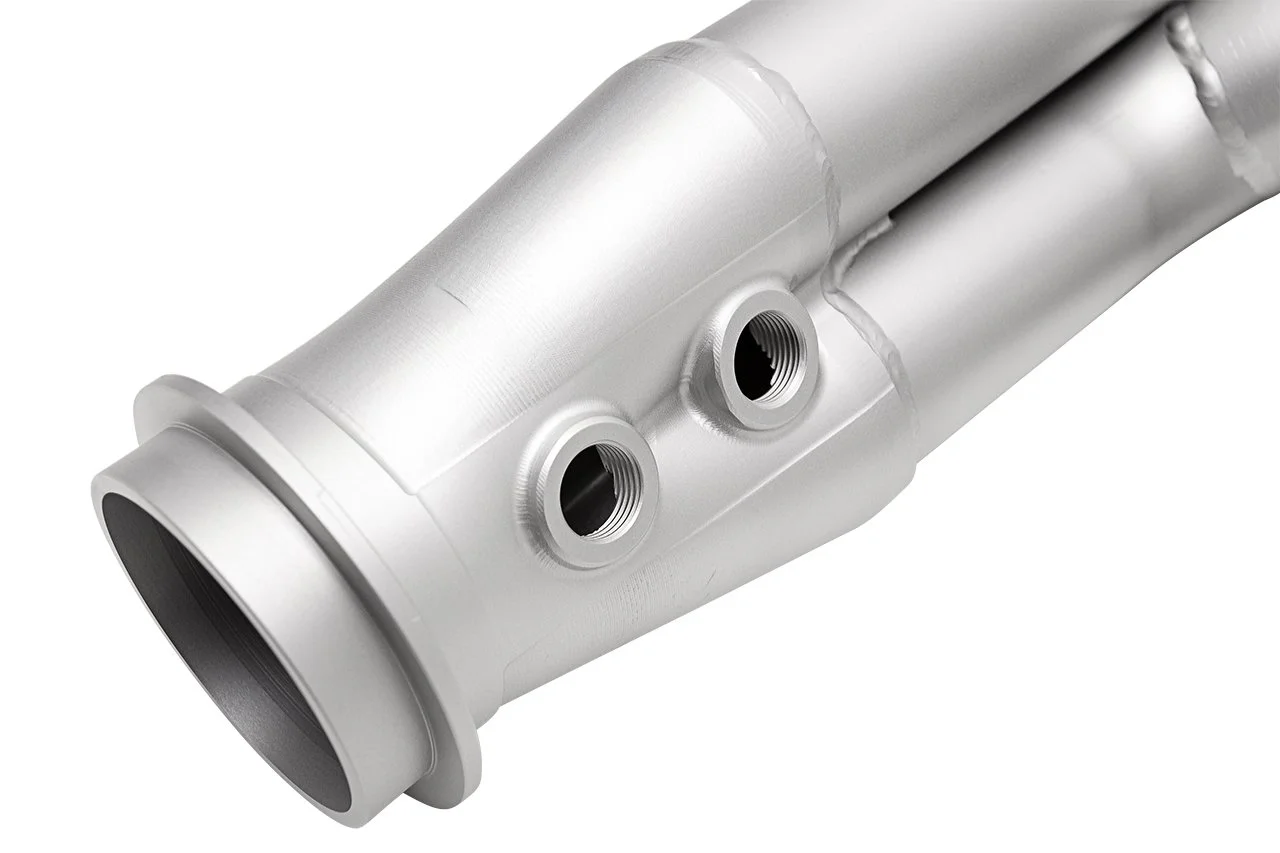 Image 2 of 10
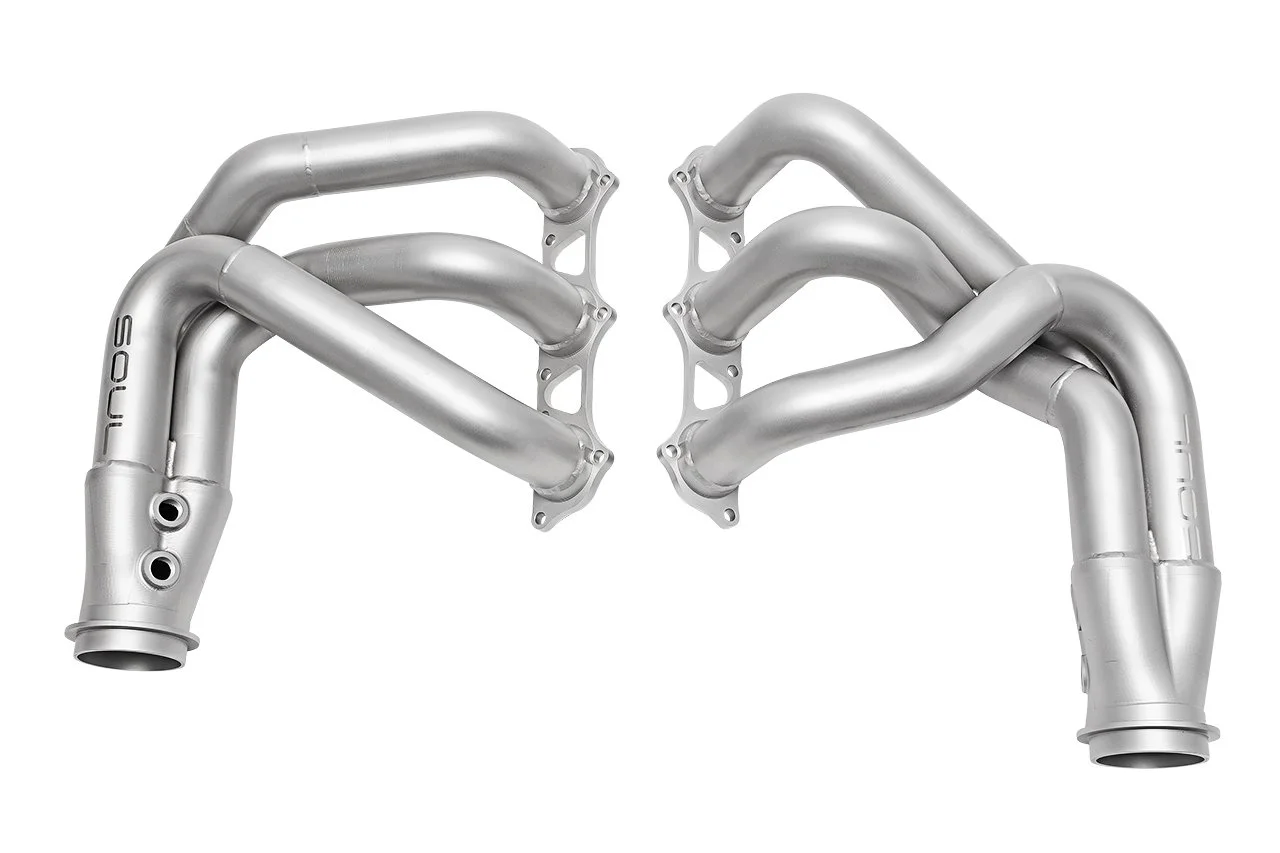 Image 3 of 10
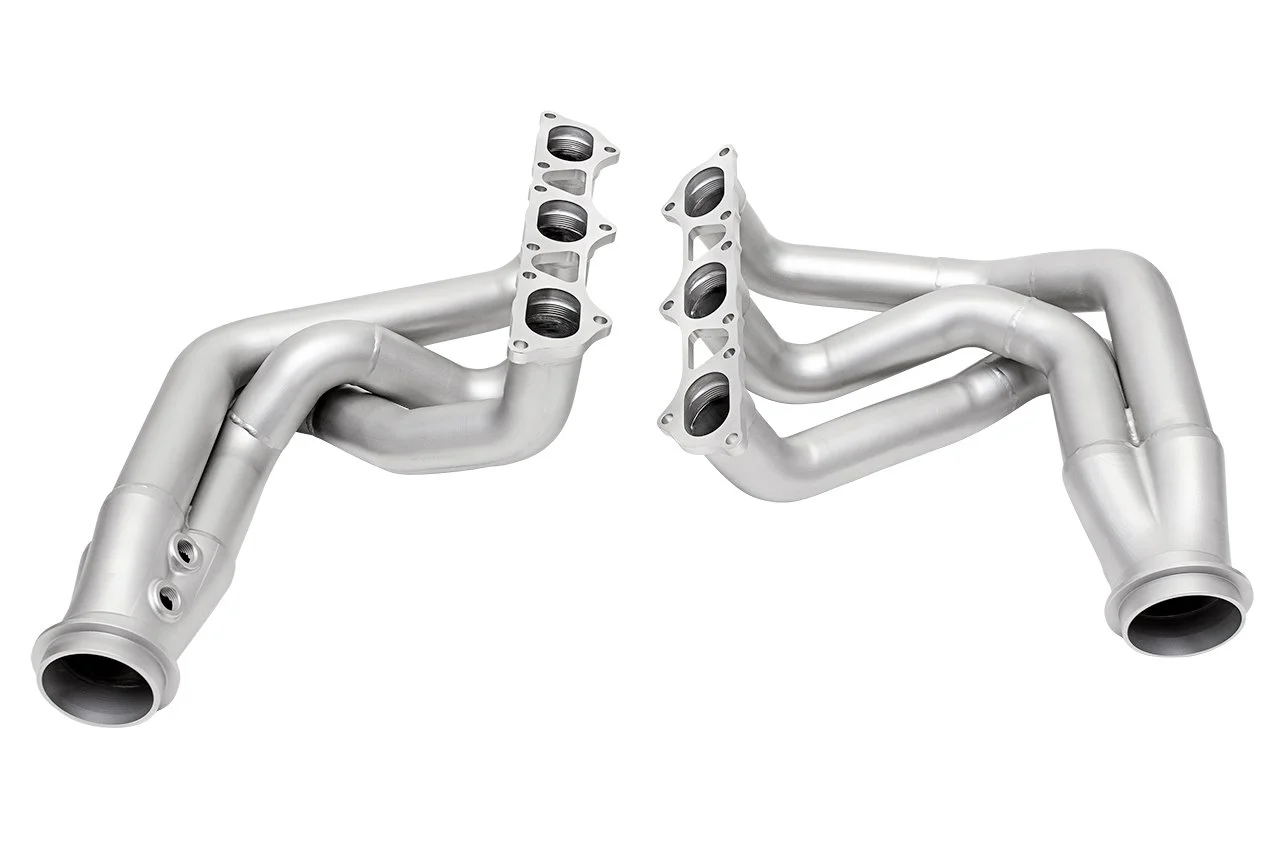 Image 4 of 10
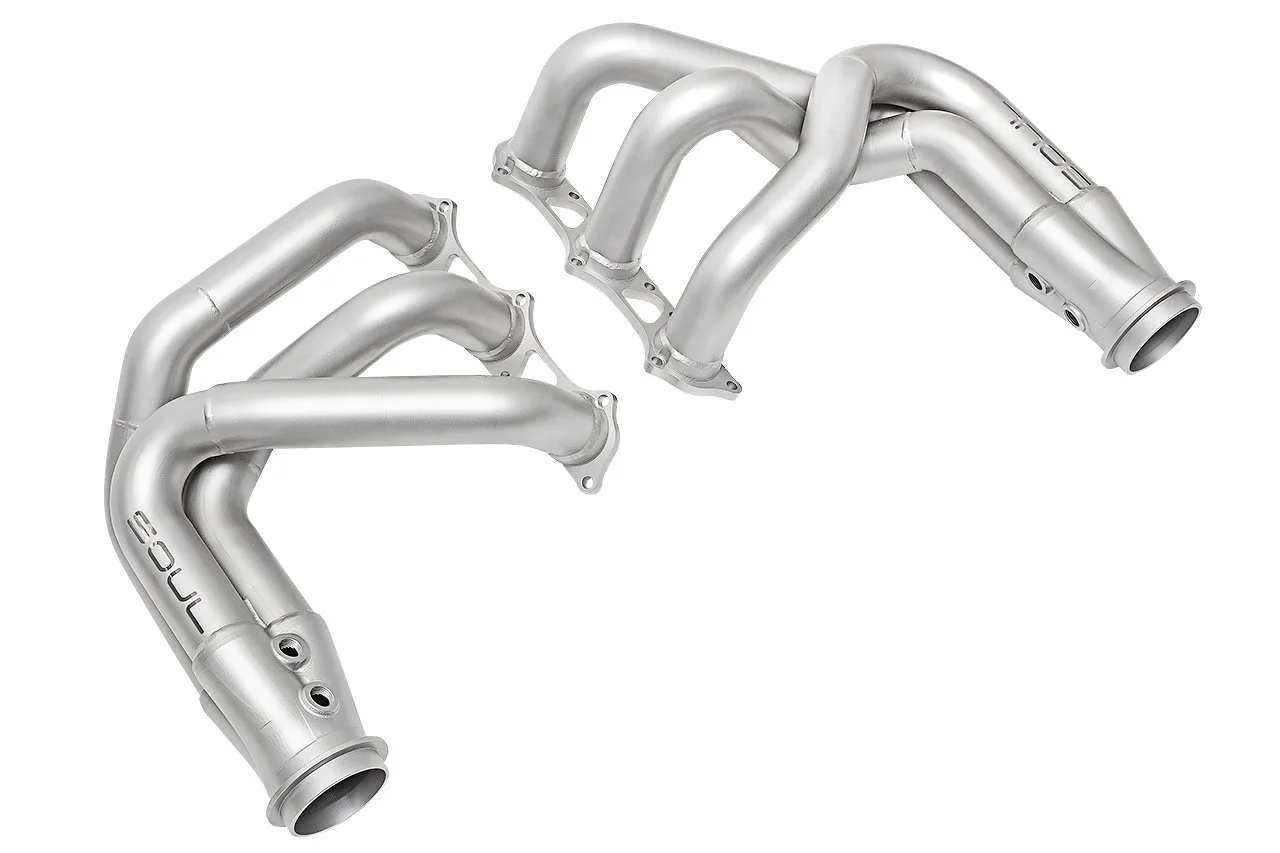 Image 5 of 10
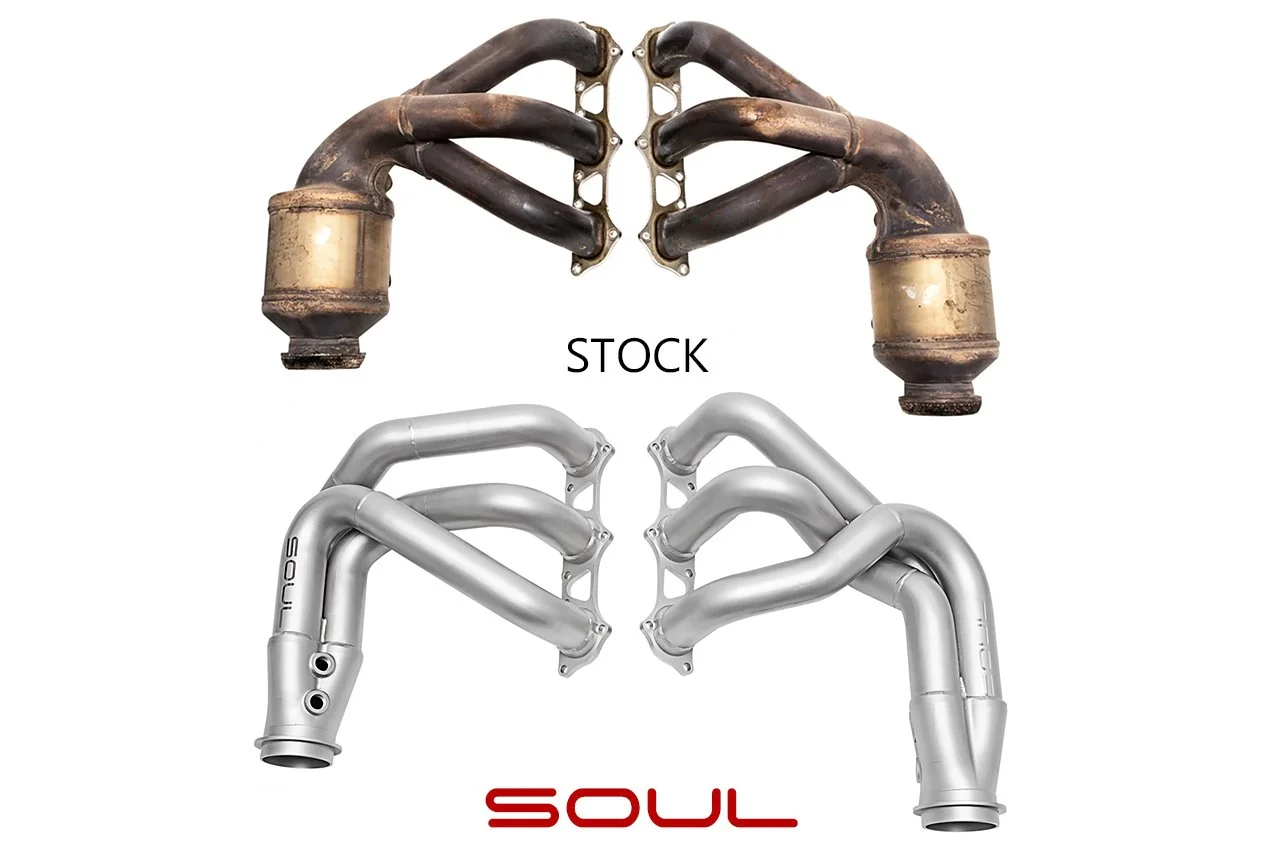 Image 6 of 10
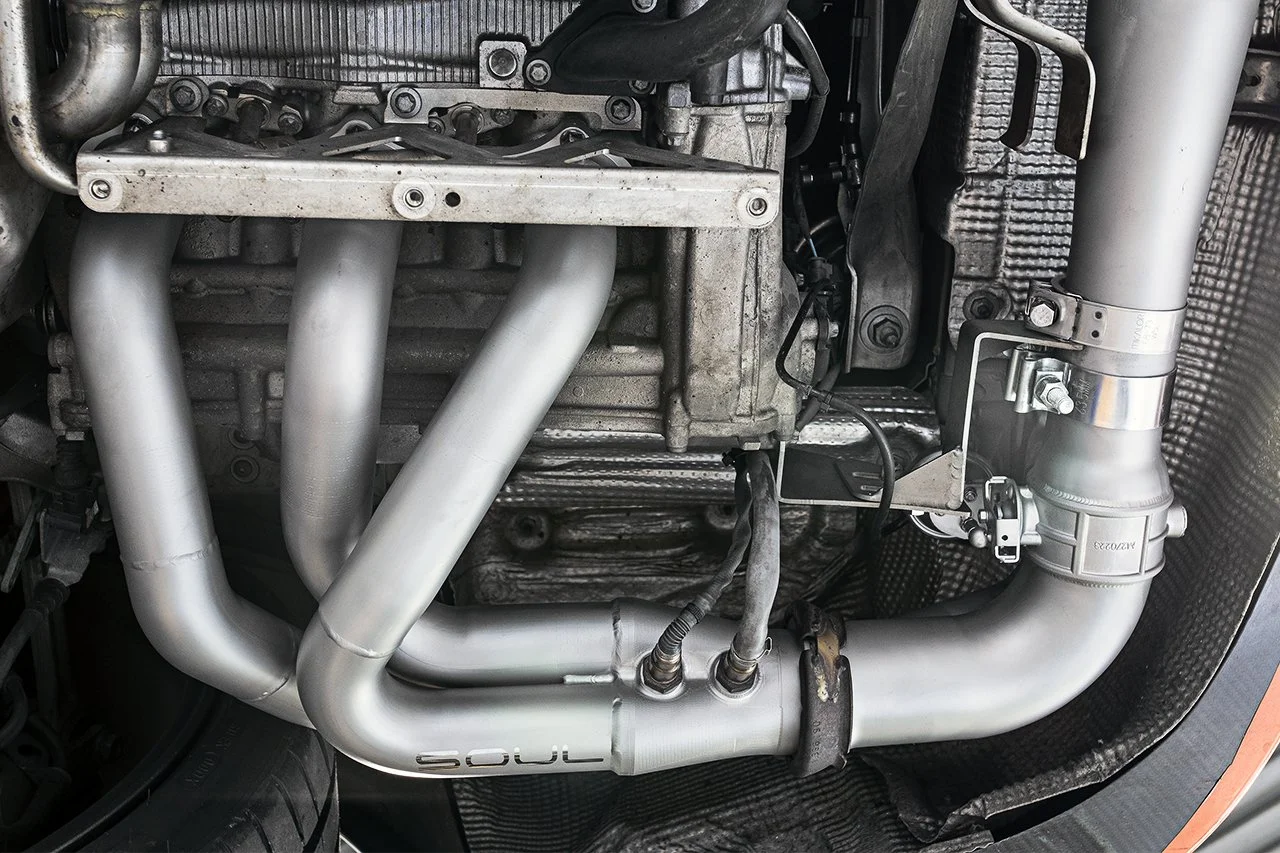 Image 7 of 10
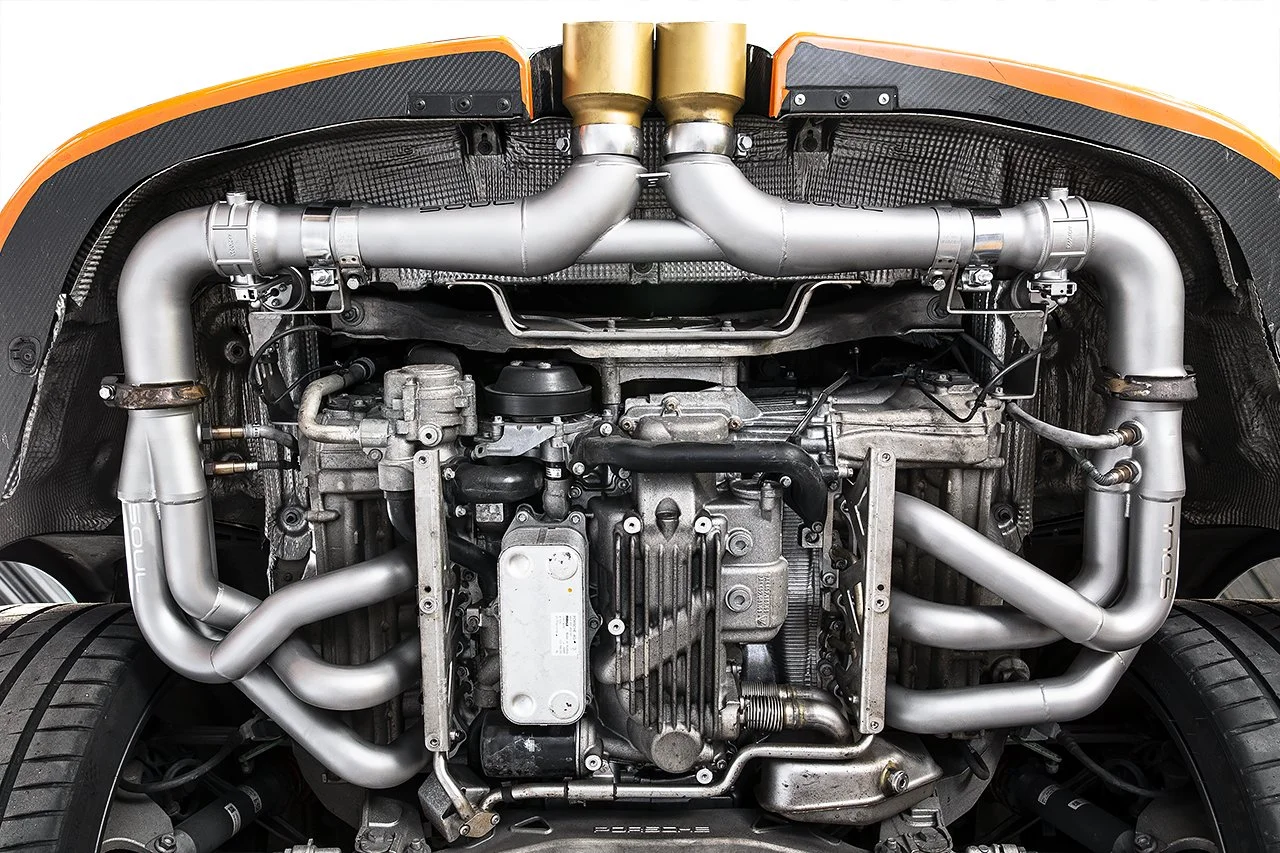 Image 8 of 10
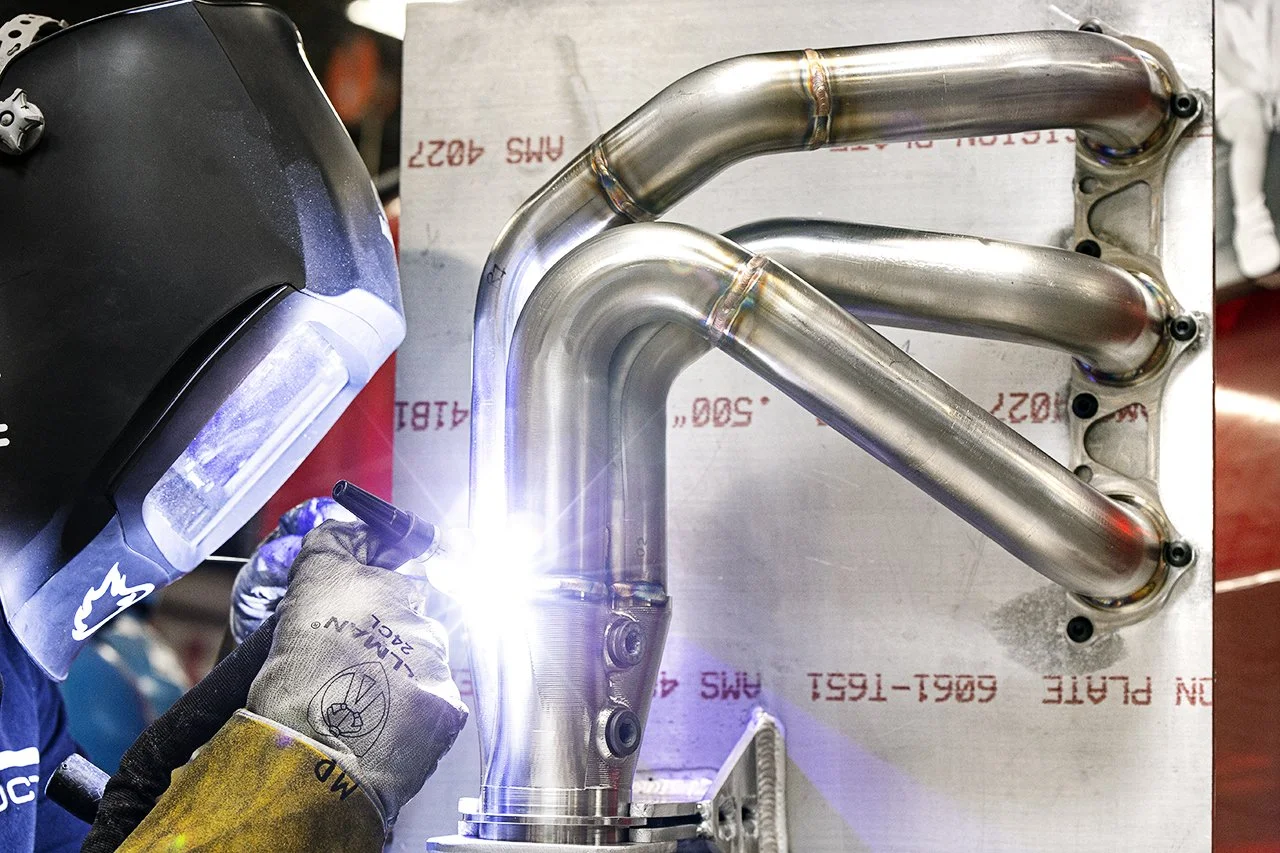 Image 9 of 10
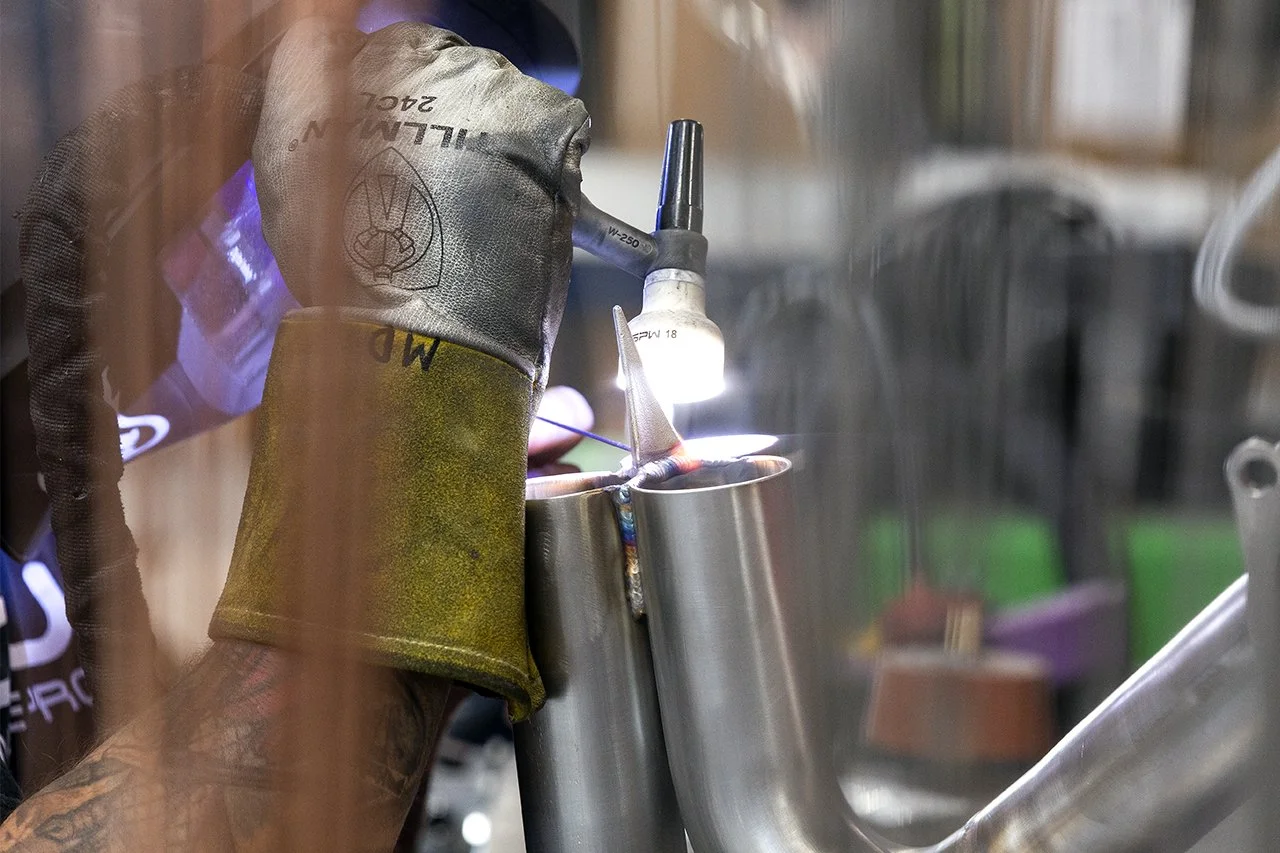 Image 10 of 10
Porsche 991.1 / 991.2 GT3 / GT3 RS / 911R SOUL Competition Headers
Porsche 991.1 / 991.2 GT3 / GT3 RS / 911R SOUL Competition Headers
$5,495.00
Product Description
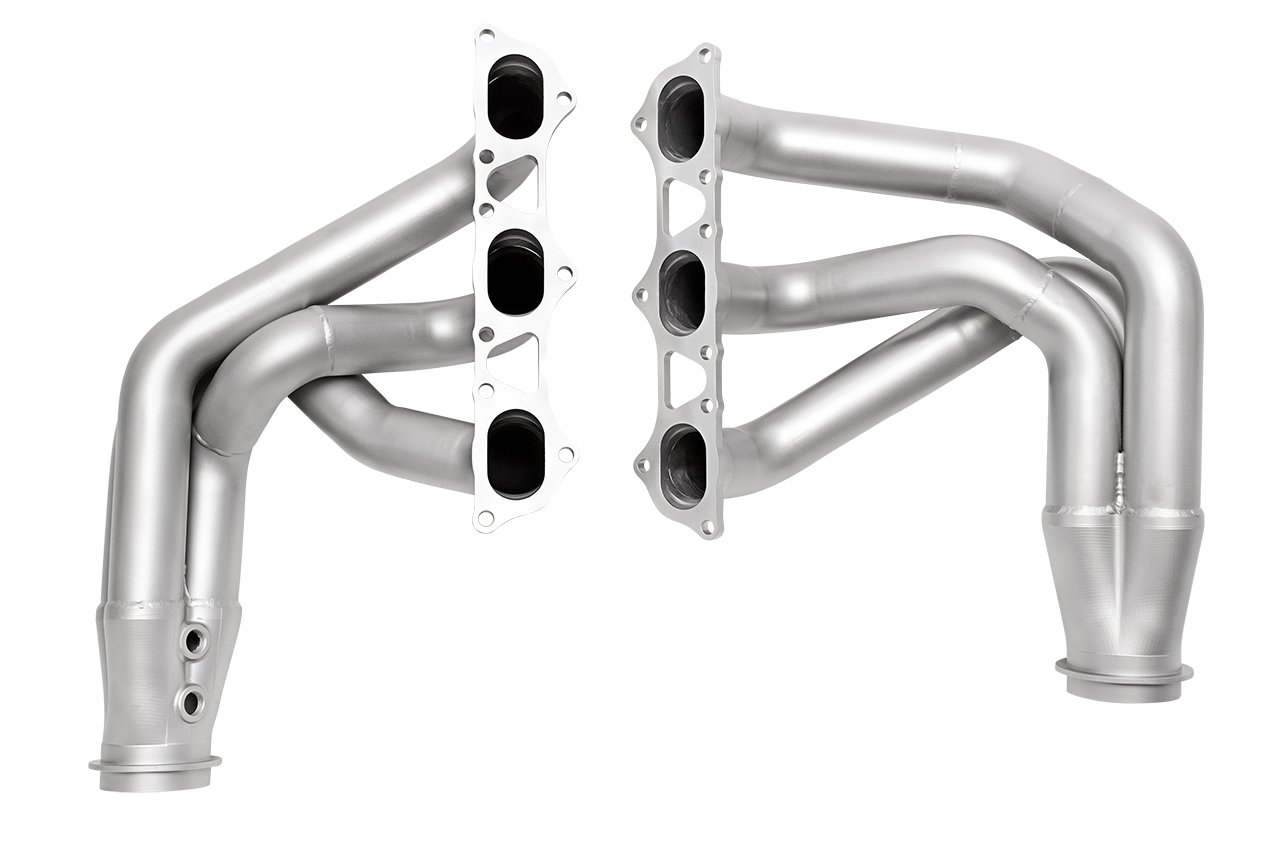
The SOUL Competition Headers are a complete catless long-tube header system engineered for Porsche 991.1 and 991.2 GT3 / GT3 RS models, the 911R, and the 991.2 GT3 Cup.
SOUL replaces the restrictive factory header and catalytic-converter assemblies with long-tube runners, smooth-radius large-diameter bends, billet CNC-machined head flanges, and purpose-built billet merge collectors with merge spikes. The system is designed to improve exhaust scavenging, throttle response, high-RPM breathing, and naturally aspirated flat-six sound while eliminating the restriction created by the factory catalytic converters.
Unlike a conventional fabricated or slip-on collector, SOUL machines its merge collector from billet stainless steel. This allows optimized internal geometry, increased primary-runner length, fewer welded joints, and a leak-resistant connection designed for repeated hard track use.
Independent Dynojet testing on an otherwise stock 991.2 GT3 RS showed gains throughout the upper power band, including approximately +24.4 whp at 8,400 RPM and maximum torque improvements exceeding 26 lb-ft.
FITMENT:
Fits 2014–2016 Porsche 991.1 911 GT3
Fits 2016 Porsche 991.1 911 GT3 RS
Fits 2016 Porsche 911R
Fits 2018–2019 Porsche 991.2 911 GT3
Fits 2018–2019 Porsche 991.2 911 GT3 with Touring Package
Fits 2019 Porsche 991.2 911 GT3 RS
Fits Porsche 991.2 GT3 Cup
SOUL specifies fitment for all 991.1 / 991.2 GT3 and GT3 RS models, including the 911R and 991.2 GT3 Cup
Direct replacement for the factory header and catalyst assemblies
Compatible with the factory downstream exhaust system
Compatible with applicable SOUL center and side-muffler exhaust upgrades
DETAILS:
Complete Long Tube Competition Header system
Completely catless
Removes the factory catalytic converters
Long-tube primary-runner architecture
Smooth-radius, large-diameter bends
Optimized cylinder-head-to-primary transition
Performance-oriented collectors with integrated merge spikes
Bespoke billet CNC-machined merge collectors
Billet collector design maximizes available primary-runner length
Billet collector eliminates several conventional fabricated weld joints
Slip-on merge collectors deliberately avoided to reduce the possibility of exhaust leaks
Billet 304L stainless-steel head flanges
Billet 304L stainless-steel merge collectors
Head flanges and collectors precision machined using 5-axis CNC equipment
Constructed from mandrel-bent .065-inch-wall T304L stainless steel
Back-purged TIG welded
ARCAL Prime argon used during welding
Designed to increase exhaust flow
Designed to improve throttle response
Designed to increase naturally aspirated power
Produces a substantially more aggressive flat-six exhaust note
Developed for aggressive street and track use
Thick-gauge aluminum fabrication fixtures minimize welding distortion
Every set undergoes rigorous quality-control inspection before shipment
Foam-packed following final inspection
Optional Jet-Hot ceramic coating available by special order
Backed by SOUL Performance Products' Lifetime Warranty for street and track use
CATLESS LONG-TUBE DESIGN:
The factory GT3 exhaust manifolds must satisfy requirements beyond outright performance, including:
Emissions compliance
Catalyst packaging
Noise regulations
Mass-production requirements
Manufacturing cost
Durability targets
These compromises restrict primary-runner length, runner diameter, and collector geometry.
SOUL's Competition Headers remove the factory catalytic converters entirely and allow the header architecture to be optimized around exhaust flow and naturally aspirated engine performance.
LONG-TUBE PRIMARY RUNNERS:
Primary-runner length and geometry directly influence exhaust-pulse behavior.
Longer, smoother runners can improve the way pressure waves travel from the exhaust ports toward the collector.
SOUL's design targets improvements in:
Exhaust scavenging
Cylinder evacuation
Exhaust-gas velocity
Throttle response
Midrange performance
High-RPM breathing
This is particularly important on Porsche's high-revving GT engines, where exhaust-flow demand becomes substantial as engine speed approaches redline.
BILLET CNC-MACHINED MERGE COLLECTORS:
A major engineering feature of the Competition Headers is SOUL's billet merge collector.
Rather than using a conventional slip-fit or fabricated collector, SOUL designed the collector digitally and machines it for a precise, repeatable internal geometry.
The billet collector allows:
Longer effective primary runners
Controlled runner convergence
Integrated merge spikes
Smoother exhaust-pulse interaction
Fewer welded joints
Reduced possibility of collector leakage
Greater structural durability
The collector architecture is designed as an integral component of the complete header rather than simply a junction between several tubes.
MERGE SPIKES:
SOUL incorporates merge spikes into the collector.
The merge spike helps guide individual exhaust streams as the primary runners converge, reducing the abrupt collision of exhaust pulses inside the collector.
This is intended to improve:
Exhaust-flow quality
Scavenging
Gas velocity
Throttle response
High-RPM efficiency
BILLET 304L HEAD FLANGES:
The transition between the cylinder-head exhaust ports and the primary runners is another important restriction point.
SOUL uses billet 304L stainless-steel head flanges precision machined on 5-axis CNC equipment.
The billet design provides:
Improved exhaust-port transition
Accurate primary-runner alignment
Greater structural strength
Improved sealing consistency
Increased durability under repeated thermal cycling
SOUL specifically designed the flange area to resist cracking during repeated aggressive track use.
.065-INCH T304L STAINLESS CONSTRUCTION:
The primary tubing is constructed from mandrel-bent:
.065-inch-wall T304L stainless steel
SOUL back-purges each assembly during TIG welding to protect the inside of the weld and promote proper penetration.
The construction is intended to provide a balance of:
Strength
Heat resistance
Corrosion resistance
Long-term track durability
Fabrication consistency
DYNO-PROVEN PERFORMANCE:
SOUL independently tested the Competition Headers on a Dynojet using an AutoQuest Motorsport Porsche 991.2 GT3 RS.
Importantly, SOUL states that the before-and-after testing was performed with no other modifications.
The manufacturer reports gains of approximately:
+20.9 wheel horsepower
and
+26.2 lb-ft of torque
appearing early in the measured power curve.
At approximately:
8,400 RPM
SOUL recorded approximately:
+24.4 wheel horsepower
and
+15.3 lb-ft of torque
The headers therefore produced increased power throughout the upper power band rather than simply generating a short isolated peak.
SOUL summarizes the testing as providing maximum gains exceeding approximately:
+24 wheel horsepower
and
+26 lb-ft of torque
TESTED ON A 991.2 GT3 RS:
The published dyno results were obtained specifically on a:
Porsche 991.2 GT3 RS
with no other modifications during the before-and-after comparison.
Actual gains can vary based on:
Engine version
Vehicle condition
Fuel
ECU calibration
Downstream exhaust configuration
Ambient and dyno conditions
The published figures should therefore be understood as manufacturer test results rather than guaranteed output for every 991 GT3-family application.
ECU TUNING:
SOUL notes that an appropriate ECU calibration can take additional advantage of the increased exhaust flow and unlock further gains.
A tune can also be used to address catalyst-related diagnostic faults created by removing the factory catalytic converters.
An ECU tune is not required for the headers to physically bolt onto the vehicle, but SOUL recommends custom calibration for track applications where catalyst-related check engine lights need to be disabled.
CHECK ENGINE LIGHT:
Because the Competition Headers completely remove the factory catalytic converters, SOUL states that the system may trigger a check engine light.
The vehicle's catalyst-monitoring strategy may recognize that the factory emissions equipment is no longer present.
SOUL recommends an appropriate custom ECU calibration to address these catalyst-related diagnostic faults for closed-course use.
SOUND CHARACTER:
Removing the factory catalytic converters and replacing the original manifolds with long-tube headers substantially changes the sound reaching the downstream exhaust.
Expect:
Greater naturally aspirated flat-six volume
Sharper throttle-related sound
Increased mechanical engine character
Stronger midrange tone
Greater high-RPM intensity
More aggressive downshifts
Increased race-derived character
More pronounced flat-six wail approaching redline
The final volume depends heavily on the downstream exhaust configuration.
WITH FACTORY REAR EXHAUST:
The Competition Headers can be paired with the original Porsche rear exhaust.
This retains the factory:
Center muffler
Side mufflers
Exhaust valves
while replacing the restrictive catalytic header assemblies upstream.
This configuration provides a substantial increase in exhaust flow and sound while retaining Porsche's downstream sound-control hardware.
WITH SOUL CENTER MUFFLER BYPASS:
Combining the Competition Headers with SOUL's Center Muffler Bypass creates a significantly more aggressive exhaust system.
This configuration:
Removes the factory catalysts
Removes the factory center muffler
Retains the factory side mufflers
Retains factory exhaust-valve functionality
Produces substantially greater flat-six sound
Further reduces rear exhaust-system weight
WITH SOUL VALVED SIDE MUFFLER BYPASS:
Pairing the Competition Headers with SOUL's Valved Side Muffler Bypass Pipes provides:
Catless long-tube headers
3-inch side-muffler bypass piping
Factory center muffler retained
Factory exhaust-valve functionality retained
Significant rear weight reduction
Reduced exhaust heat around the engine bay and rear tires
Substantially increased exhaust flow
This provides an aggressive configuration while retaining driver-selectable sound control.
WITH SOUL NON-VALVED SIDE MUFFLER BYPASS:
Pairing the Competition Headers with the non-valved Side Muffler Bypass creates an even more track-focused configuration.
This combination eliminates:
Factory catalytic converters
Factory side mufflers
while retaining the factory center muffler.
The result prioritizes:
Maximum weight reduction
Increased exhaust flow
Reduced heat retention
Constant aggressive exhaust character
OPTIONAL CERAMIC COATING:
SOUL offers optional Jet-Hot ceramic coating for the Competition Headers by special order.
Available coating systems include:
Extreme 1300
and
Ultra Extreme Heat 2500
SOUL states that the coatings can reduce surrounding temperatures by as much as approximately 65% while also helping protect the headers from thermal oxidation and corrosion.
Ceramic coating is available at additional cost and should be quoted separately.
COMPETITION HEADERS VS. STREET HEADERS:
Competition Headers
$5,495.00
Completely catless
Maximum available header flow
Dyno-tested on an otherwise stock 991.2 GT3 RS
Maximum manufacturer-tested gains exceeding 24 whp and 26 lb-ft
More aggressive exhaust sound
Greater catalyst-related diagnostic considerations
Optional ceramic coating available
Closed-course competition configuration
Street Headers
$6,495.00
Retain performance catalytic converters
More street-oriented configuration
Reduced emissions-related diagnostic concerns
Same high-quality billet and stainless construction philosophy
The Competition Headers are the more aggressive option for customers prioritizing flow, sound, and track-oriented performance.
EMISSIONS / COMPETITION USE NOTE:
The SOUL Competition Headers completely remove the factory catalytic converters.
This product is not CARB certified and SOUL specifies it for closed-course competition use only.
United States customers purchasing the product are required by SOUL to sign its Catless Exhaust Component Waiver.
Use on emissions-controlled vehicles operated on public roads may violate applicable regulations.
Customers are responsible for determining compliance with all applicable federal, state, and local laws before installation or use.
Porsche 991.1 / 991.2 GT3 / GT3 RS / 911R SOUL Competition Headers
$5,495.00
Product Description
The SOUL Competition Headers are a complete catless long-tube header system engineered for Porsche 991.1 and 991.2 GT3 / GT3 RS models, the 911R, and the 991.2 GT3 Cup.
SOUL replaces the restrictive factory header and catalytic-converter assemblies with long-tube runners, smooth-radius large-diameter bends, billet CNC-machined head flanges, and purpose-built billet merge collectors with merge spikes. The system is designed to improve exhaust scavenging, throttle response, high-RPM breathing, and naturally aspirated flat-six sound while eliminating the restriction created by the factory catalytic converters.
Unlike a conventional fabricated or slip-on collector, SOUL machines its merge collector from billet stainless steel. This allows optimized internal geometry, increased primary-runner length, fewer welded joints, and a leak-resistant connection designed for repeated hard track use.
Independent Dynojet testing on an otherwise stock 991.2 GT3 RS showed gains throughout the upper power band, including approximately +24.4 whp at 8,400 RPM and maximum torque improvements exceeding 26 lb-ft.
FITMENT:
Fits 2014–2016 Porsche 991.1 911 GT3
Fits 2016 Porsche 991.1 911 GT3 RS
Fits 2016 Porsche 911R
Fits 2018–2019 Porsche 991.2 911 GT3
Fits 2018–2019 Porsche 991.2 911 GT3 with Touring Package
Fits 2019 Porsche 991.2 911 GT3 RS
Fits Porsche 991.2 GT3 Cup
SOUL specifies fitment for all 991.1 / 991.2 GT3 and GT3 RS models, including the 911R and 991.2 GT3 Cup
Direct replacement for the factory header and catalyst assemblies
Compatible with the factory downstream exhaust system
Compatible with applicable SOUL center and side-muffler exhaust upgrades
DETAILS:
Complete Long Tube Competition Header system
Completely catless
Removes the factory catalytic converters
Long-tube primary-runner architecture
Smooth-radius, large-diameter bends
Optimized cylinder-head-to-primary transition
Performance-oriented collectors with integrated merge spikes
Bespoke billet CNC-machined merge collectors
Billet collector design maximizes available primary-runner length
Billet collector eliminates several conventional fabricated weld joints
Slip-on merge collectors deliberately avoided to reduce the possibility of exhaust leaks
Billet 304L stainless-steel head flanges
Billet 304L stainless-steel merge collectors
Head flanges and collectors precision machined using 5-axis CNC equipment
Constructed from mandrel-bent .065-inch-wall T304L stainless steel
Back-purged TIG welded
ARCAL Prime argon used during welding
Designed to increase exhaust flow
Designed to improve throttle response
Designed to increase naturally aspirated power
Produces a substantially more aggressive flat-six exhaust note
Developed for aggressive street and track use
Thick-gauge aluminum fabrication fixtures minimize welding distortion
Every set undergoes rigorous quality-control inspection before shipment
Foam-packed following final inspection
Optional Jet-Hot ceramic coating available by special order
Backed by SOUL Performance Products' Lifetime Warranty for street and track use
CATLESS LONG-TUBE DESIGN:
The factory GT3 exhaust manifolds must satisfy requirements beyond outright performance, including:
Emissions compliance
Catalyst packaging
Noise regulations
Mass-production requirements
Manufacturing cost
Durability targets
These compromises restrict primary-runner length, runner diameter, and collector geometry.
SOUL's Competition Headers remove the factory catalytic converters entirely and allow the header architecture to be optimized around exhaust flow and naturally aspirated engine performance.
LONG-TUBE PRIMARY RUNNERS:
Primary-runner length and geometry directly influence exhaust-pulse behavior.
Longer, smoother runners can improve the way pressure waves travel from the exhaust ports toward the collector.
SOUL's design targets improvements in:
Exhaust scavenging
Cylinder evacuation
Exhaust-gas velocity
Throttle response
Midrange performance
High-RPM breathing
This is particularly important on Porsche's high-revving GT engines, where exhaust-flow demand becomes substantial as engine speed approaches redline.
BILLET CNC-MACHINED MERGE COLLECTORS:
A major engineering feature of the Competition Headers is SOUL's billet merge collector.
Rather than using a conventional slip-fit or fabricated collector, SOUL designed the collector digitally and machines it for a precise, repeatable internal geometry.
The billet collector allows:
Longer effective primary runners
Controlled runner convergence
Integrated merge spikes
Smoother exhaust-pulse interaction
Fewer welded joints
Reduced possibility of collector leakage
Greater structural durability
The collector architecture is designed as an integral component of the complete header rather than simply a junction between several tubes.
MERGE SPIKES:
SOUL incorporates merge spikes into the collector.
The merge spike helps guide individual exhaust streams as the primary runners converge, reducing the abrupt collision of exhaust pulses inside the collector.
This is intended to improve:
Exhaust-flow quality
Scavenging
Gas velocity
Throttle response
High-RPM efficiency
BILLET 304L HEAD FLANGES:
The transition between the cylinder-head exhaust ports and the primary runners is another important restriction point.
SOUL uses billet 304L stainless-steel head flanges precision machined on 5-axis CNC equipment.
The billet design provides:
Improved exhaust-port transition
Accurate primary-runner alignment
Greater structural strength
Improved sealing consistency
Increased durability under repeated thermal cycling
SOUL specifically designed the flange area to resist cracking during repeated aggressive track use.
.065-INCH T304L STAINLESS CONSTRUCTION:
The primary tubing is constructed from mandrel-bent:
.065-inch-wall T304L stainless steel
SOUL back-purges each assembly during TIG welding to protect the inside of the weld and promote proper penetration.
The construction is intended to provide a balance of:
Strength
Heat resistance
Corrosion resistance
Long-term track durability
Fabrication consistency
DYNO-PROVEN PERFORMANCE:
SOUL independently tested the Competition Headers on a Dynojet using an AutoQuest Motorsport Porsche 991.2 GT3 RS.
Importantly, SOUL states that the before-and-after testing was performed with no other modifications.
The manufacturer reports gains of approximately:
+20.9 wheel horsepower
and
+26.2 lb-ft of torque
appearing early in the measured power curve.
At approximately:
8,400 RPM
SOUL recorded approximately:
+24.4 wheel horsepower
and
+15.3 lb-ft of torque
The headers therefore produced increased power throughout the upper power band rather than simply generating a short isolated peak.
SOUL summarizes the testing as providing maximum gains exceeding approximately:
+24 wheel horsepower
and
+26 lb-ft of torque
TESTED ON A 991.2 GT3 RS:
The published dyno results were obtained specifically on a:
Porsche 991.2 GT3 RS
with no other modifications during the before-and-after comparison.
Actual gains can vary based on:
Engine version
Vehicle condition
Fuel
ECU calibration
Downstream exhaust configuration
Ambient and dyno conditions
The published figures should therefore be understood as manufacturer test results rather than guaranteed output for every 991 GT3-family application.
ECU TUNING:
SOUL notes that an appropriate ECU calibration can take additional advantage of the increased exhaust flow and unlock further gains.
A tune can also be used to address catalyst-related diagnostic faults created by removing the factory catalytic converters.
An ECU tune is not required for the headers to physically bolt onto the vehicle, but SOUL recommends custom calibration for track applications where catalyst-related check engine lights need to be disabled.
CHECK ENGINE LIGHT:
Because the Competition Headers completely remove the factory catalytic converters, SOUL states that the system may trigger a check engine light.
The vehicle's catalyst-monitoring strategy may recognize that the factory emissions equipment is no longer present.
SOUL recommends an appropriate custom ECU calibration to address these catalyst-related diagnostic faults for closed-course use.
SOUND CHARACTER:
Removing the factory catalytic converters and replacing the original manifolds with long-tube headers substantially changes the sound reaching the downstream exhaust.
Expect:
Greater naturally aspirated flat-six volume
Sharper throttle-related sound
Increased mechanical engine character
Stronger midrange tone
Greater high-RPM intensity
More aggressive downshifts
Increased race-derived character
More pronounced flat-six wail approaching redline
The final volume depends heavily on the downstream exhaust configuration.
WITH FACTORY REAR EXHAUST:
The Competition Headers can be paired with the original Porsche rear exhaust.
This retains the factory:
Center muffler
Side mufflers
Exhaust valves
while replacing the restrictive catalytic header assemblies upstream.
This configuration provides a substantial increase in exhaust flow and sound while retaining Porsche's downstream sound-control hardware.
WITH SOUL CENTER MUFFLER BYPASS:
Combining the Competition Headers with SOUL's Center Muffler Bypass creates a significantly more aggressive exhaust system.
This configuration:
Removes the factory catalysts
Removes the factory center muffler
Retains the factory side mufflers
Retains factory exhaust-valve functionality
Produces substantially greater flat-six sound
Further reduces rear exhaust-system weight
WITH SOUL VALVED SIDE MUFFLER BYPASS:
Pairing the Competition Headers with SOUL's Valved Side Muffler Bypass Pipes provides:
Catless long-tube headers
3-inch side-muffler bypass piping
Factory center muffler retained
Factory exhaust-valve functionality retained
Significant rear weight reduction
Reduced exhaust heat around the engine bay and rear tires
Substantially increased exhaust flow
This provides an aggressive configuration while retaining driver-selectable sound control.
WITH SOUL NON-VALVED SIDE MUFFLER BYPASS:
Pairing the Competition Headers with the non-valved Side Muffler Bypass creates an even more track-focused configuration.
This combination eliminates:
Factory catalytic converters
Factory side mufflers
while retaining the factory center muffler.
The result prioritizes:
Maximum weight reduction
Increased exhaust flow
Reduced heat retention
Constant aggressive exhaust character
OPTIONAL CERAMIC COATING:
SOUL offers optional Jet-Hot ceramic coating for the Competition Headers by special order.
Available coating systems include:
Extreme 1300
and
Ultra Extreme Heat 2500
SOUL states that the coatings can reduce surrounding temperatures by as much as approximately 65% while also helping protect the headers from thermal oxidation and corrosion.
Ceramic coating is available at additional cost and should be quoted separately.
COMPETITION HEADERS VS. STREET HEADERS:
Competition Headers
$5,495.00
Completely catless
Maximum available header flow
Dyno-tested on an otherwise stock 991.2 GT3 RS
Maximum manufacturer-tested gains exceeding 24 whp and 26 lb-ft
More aggressive exhaust sound
Greater catalyst-related diagnostic considerations
Optional ceramic coating available
Closed-course competition configuration
Street Headers
$6,495.00
Retain performance catalytic converters
More street-oriented configuration
Reduced emissions-related diagnostic concerns
Same high-quality billet and stainless construction philosophy
The Competition Headers are the more aggressive option for customers prioritizing flow, sound, and track-oriented performance.
EMISSIONS / COMPETITION USE NOTE:
The SOUL Competition Headers completely remove the factory catalytic converters.
This product is not CARB certified and SOUL specifies it for closed-course competition use only.
United States customers purchasing the product are required by SOUL to sign its Catless Exhaust Component Waiver.
Use on emissions-controlled vehicles operated on public roads may violate applicable regulations.
Customers are responsible for determining compliance with all applicable federal, state, and local laws before installation or use.